What to Look for When Buying a Warehouse Unit in Mumbai’s Outskirts
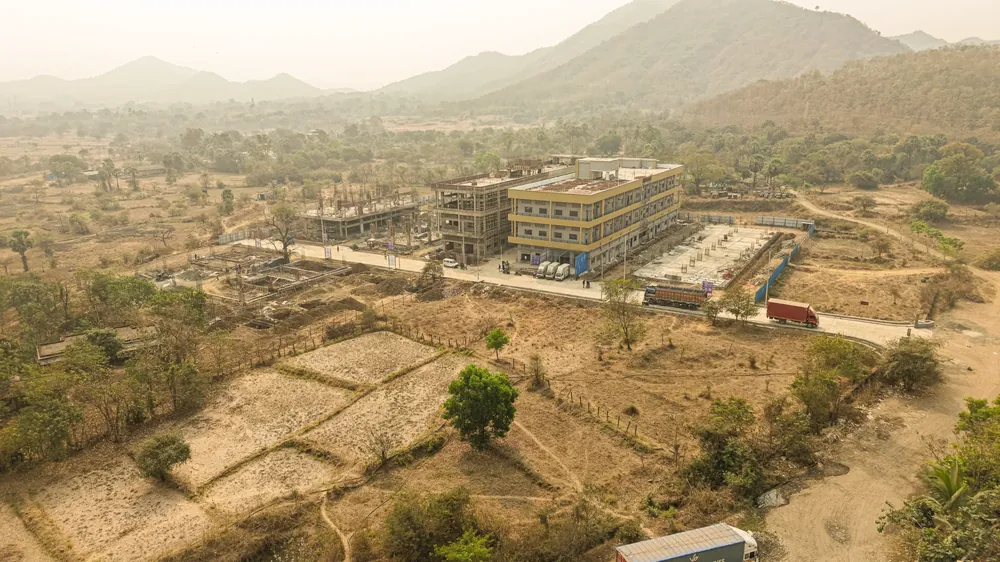
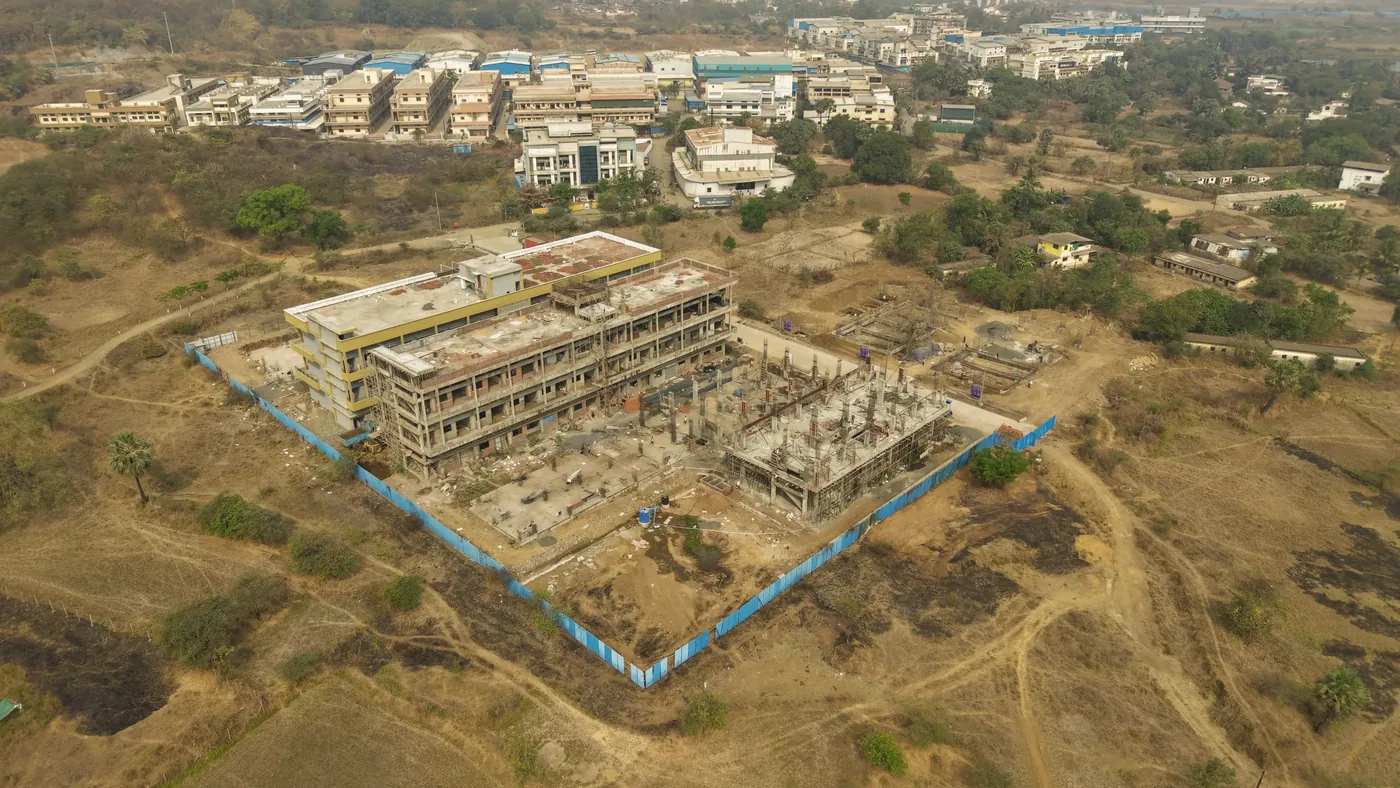
Mumbai’s growing business ecosystem is driving logistics, manufacturing, and distribution activity beyond the city’s traditional commercial zones. With land and operating costs rising within Mumbai, the outskirts are attracting businesses and investors seeking larger spaces, better connectivity, and long-term growth potential.
However, buying a warehouse unit in Mumbai requires more than finding a spacious property at an attractive price. Location, accessibility, legal approvals, infrastructure, construction quality, and future development can all influence a warehouse’s usability and investment value.
If you are considering warehouse investment in Mumbai outskirts, here are the key factors to evaluate.
1. Location Should Come First
A well-built warehouse cannot compensate for an inconvenient location. Look for areas with easy access to major highways, industrial corridors, railway networks, ports, and important consumption markets.
A strategically located warehouse property in Mumbai can help reduce transportation time, improve distribution efficiency, and attract potential tenants.
2. Check Road and Transportation Connectivity
For warehouses, connectivity means more than simply being near a highway. Large commercial vehicles should be able to enter, exit, and move around the property efficiently.
Before buying, check:
- Road width and truck accessibility
- Distance from major highways
- Loading and unloading access
- Traffic conditions
- Connectivity to ports and distribution centres
Strong warehouse connectivity in Mumbai can directly influence transportation costs and daily operations.
3. Evaluate Warehouse Specifications
Size matters, but usable space matters more. Examine the carpet and built-up area, ceiling height, floor load capacity, ventilation, lighting, storage layout, and loading zones.
Also consider whether there is sufficient space for parking and truck movement. A thoughtfully designed warehouse can improve space utilization and operational efficiency.
4. Verify Legal Approvals and Documents
Legal due diligence should never be overlooked when purchasing industrial property near Mumbai.
Verify the property's ownership documents, land title, sanctioned plans, development permissions, and applicable commercial or industrial approvals. Most importantly, confirm that the property can legally be used for your intended business activity.
Professional legal and real estate advice can help identify potential issues before purchase.
5. Check Utilities and Infrastructure
A warehouse needs reliable infrastructure to function efficiently. Before making a decision, check the availability and capacity of electricity, water supply, drainage, fire safety systems, security, internet connectivity, and backup power.
These facilities can have a significant impact on operational costs and the overall usability of the property.
6. Study the Surrounding Industrial Ecosystem
The surrounding business environment can influence both operational convenience and investment potential.
Proximity to manufacturers, distributors, retailers, logistics companies, and suppliers can create advantages for businesses operating from the warehouse. It can also support rental demand if you eventually decide to lease the property.
Therefore, understanding the local industrial ecosystem is an important part of evaluating industrial real estate in Mumbai.
7. Look Beyond the Purchase Price
A lower purchase price does not necessarily mean a better investment. Consider upcoming roads, infrastructure projects, industrial parks, logistics hubs, and commercial developments in the area.
A warehouse in a strategically developing location may offer stronger long-term value than a cheaper property with limited growth potential.
8. Evaluate Rental and Resale Potential
If the warehouse is being purchased as an investment, research local rental demand, prevailing rates, vacancy levels, and the types of businesses seeking space in the area.
Good connectivity, infrastructure, and location can support both rental income and future resale potential.
Conclusion
Buying a warehouse unit in Mumbai can offer promising opportunities as logistics, manufacturing, e-commerce, and distribution networks expand toward the city’s outskirts. However, the right decision requires looking beyond price and size.
Location, connectivity, approvals, infrastructure, operational efficiency, and future development should all be evaluated before investing. In industrial real estate, thorough due diligence combined with the right warehouse location advantages can make a significant difference to long-term value.
Frequently Asked Questions
What is the most important factor when buying a warehouse?
Location is among the most important factors because connectivity can influence transportation costs, tenant demand, operations, and future value.
Is buying a warehouse on Mumbai’s outskirts a good investment?
It can be, particularly in areas with growing logistics activity, strong infrastructure, and improving connectivity. However, thorough due diligence is essential.
What documents should I check before buying a warehouse?
Check the title, ownership documents, sanctioned plans, applicable approvals, usage permissions, and other property-specific legal documents.
Should rental potential be considered before buying?
Yes. Understanding rental demand and prevailing rates can help investors assess potential income and make a more informed decision.